
News
Breaking the Cycle: Addressing Substance Abuse and Homelessness at Clarendon Park
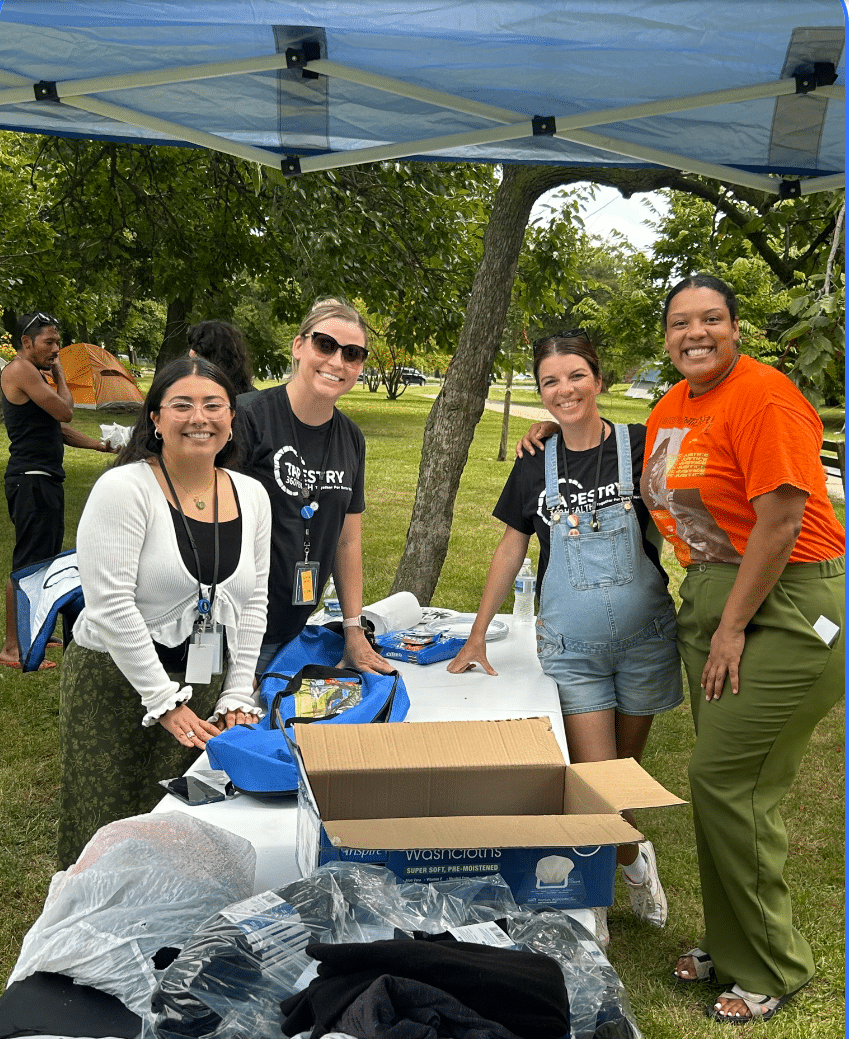
It’s been a year since we embarked on our Clarendon Park outreach initiative in partnership with the 46th Ward. This monthly event is a testament to our commitment to providing essential resources and support to our unhoused neighbors.
A Comprehensive Approach
Our outreach efforts focus on addressing the dual crises of substance abuse and homelessness. By offering the following services, we aim to break the cycle:
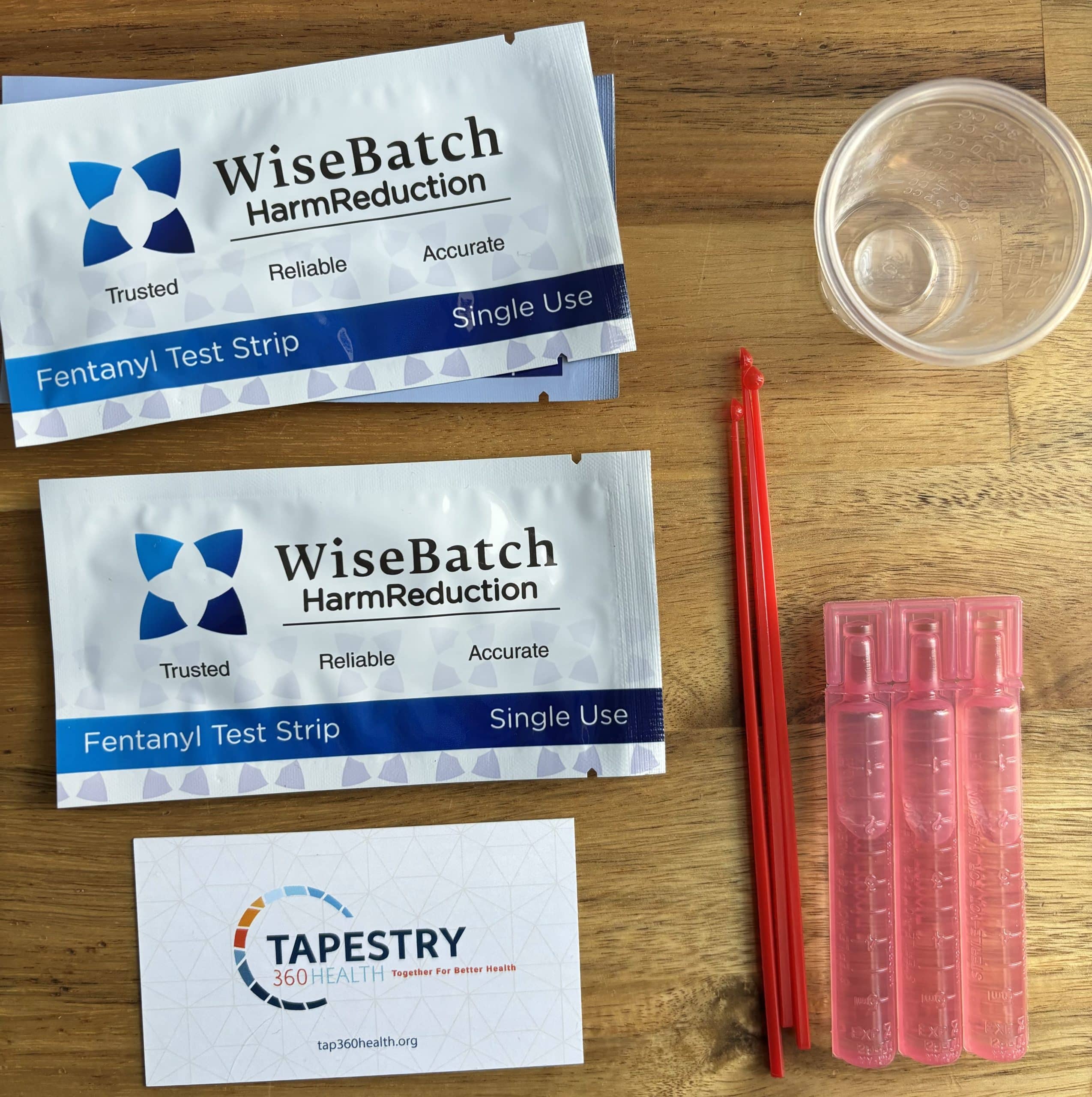
- Narcan and Fentanyl Test Kits: Equipping individuals with life-saving tools to prevent overdose.
- Safety Kits: Providing essential items to ensure well-being and safety.
- Education and Outreach: Raising awareness about our Medication-Assisted Treatment (MAT) program and primary care services.
Why It Matters
Ending substance abuse and homelessness is crucial for several reasons:
- Improved Health Outcomes: Both conditions significantly impact physical and mental health. Addiction can lead to a range of health problems, including overdose, chronic diseases, and mental health disorders. Homelessness increases the risk of exposure to the elements, infectious diseases, and trauma.
- Enhanced Quality of Life: Stable housing and recovery from addiction provide individuals with a sense of security, purpose, and hope. It allows them to rebuild their lives and contribute positively to their communities.
- Reduced Crime Rates: Studies have shown a correlation between substance abuse, homelessness, and criminal activity. Addressing these issues can help reduce crime rates and create safer communities.
- Economic Benefits: Investing in programs that support individuals with substance abuse and homelessness can yield significant economic benefits. By reducing healthcare costs, increasing workforce participation, and decreasing crime-related expenses, these programs can save taxpayers money in the long run.
The Devastating Link
Substance abuse and homelessness often go hand-in-hand, creating a vicious cycle that can be difficult to break. Individuals struggling with addiction may find themselves without stable housing due to financial instability, health issues, or social isolation. Conversely, those experiencing homelessness may turn to substances as a coping mechanism for the challenges they face.
Our Substance Abuse Program
Our substance abuse program offers a range of evidence-based treatments to help individuals recover from addiction. Our services include:
- Medication-Assisted Treatment (MAT): Combining medication with counseling to treat opioid use disorder.
- Individual and Group Therapy: Providing personalized counseling and support.
- Behavioral Therapies: Teaching coping skills and relapse prevention strategies.
- Case Management: Connecting individuals with housing, healthcare, and other essential services.
The Importance of Community
Ending substance abuse and homelessness is a complex issue that requires a multifaceted approach. By working together with our partners and the community, we can provide much-needed support and resources to those who are most vulnerable.
How You Can Help
- Volunteer: Lend a hand at our outreach events or other community initiatives.
- Donate: Support our efforts by donating to organizations that provide services to individuals experiencing homelessness and substance abuse.
- Advocate: Raise awareness and advocate for policies that address these issues.
Together, we can create a more compassionate and inclusive community.
Related Posts






It’s been a year since we embarked on our Clarendon Park outreach initiative in partnership with the 46th Ward. This monthly event is a testament to our commitment to providing essential resources and support to our unhoused neighbors.
A Comprehensive Approach
Our outreach efforts focus on addressing the dual crises of substance abuse and homelessness. By offering the following services, we aim to break the cycle:
- Narcan and Fentanyl Test Kits: Equipping individuals with life-saving tools to prevent overdose.
- Safety Kits: Providing essential items to ensure well-being and safety.
- Education and Outreach: Raising awareness about our Medication-Assisted Treatment (MAT) program and primary care services.
Why It Matters
Ending substance abuse and homelessness is crucial for several reasons:
- Improved Health Outcomes: Both conditions significantly impact physical and mental health. Addiction can lead to a range of health problems, including overdose, chronic diseases, and mental health disorders. Homelessness increases the risk of exposure to the elements, infectious diseases, and trauma.
- Enhanced Quality of Life: Stable housing and recovery from addiction provide individuals with a sense of security, purpose, and hope. It allows them to rebuild their lives and contribute positively to their communities.
- Reduced Crime Rates: Studies have shown a correlation between substance abuse, homelessness, and criminal activity. Addressing these issues can help reduce crime rates and create safer communities.
- Economic Benefits: Investing in programs that support individuals with substance abuse and homelessness can yield significant economic benefits. By reducing healthcare costs, increasing workforce participation, and decreasing crime-related expenses, these programs can save taxpayers money in the long run.
The Devastating Link
Substance abuse and homelessness often go hand-in-hand, creating a vicious cycle that can be difficult to break. Individuals struggling with addiction may find themselves without stable housing due to financial instability, health issues, or social isolation. Conversely, those experiencing homelessness may turn to substances as a coping mechanism for the challenges they face.
Our Substance Abuse Program
Our substance abuse program offers a range of evidence-based treatments to help individuals recover from addiction. Our services include:
- Medication-Assisted Treatment (MAT): Combining medication with counseling to treat opioid use disorder.
- Individual and Group Therapy: Providing personalized counseling and support.
- Behavioral Therapies: Teaching coping skills and relapse prevention strategies.
- Case Management: Connecting individuals with housing, healthcare, and other essential services.
The Importance of Community
Ending substance abuse and homelessness is a complex issue that requires a multifaceted approach. By working together with our partners and the community, we can provide much-needed support and resources to those who are most vulnerable.
How You Can Help
- Volunteer: Lend a hand at our outreach events or other community initiatives.
- Donate: Support our efforts by donating to organizations that provide services to individuals experiencing homelessness and substance abuse.
- Advocate: Raise awareness and advocate for policies that address these issues.
Together, we can create a more compassionate and inclusive community.