


News
A Legacy of Compassion: How One Provider Helped Transform Refugee and Immigrant Healthcare at Tapestry 360 Health
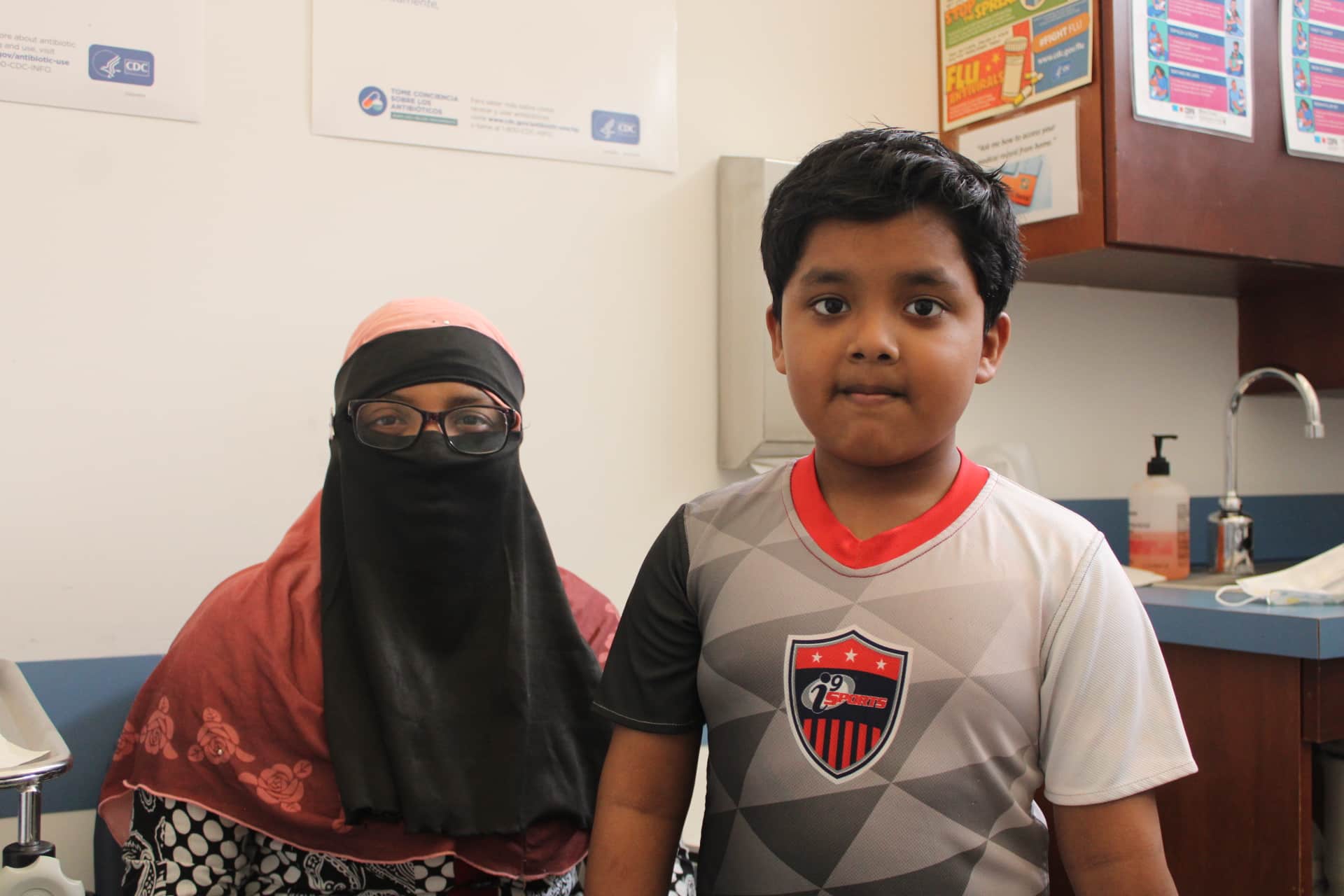
For many refugees and immigrants arriving in Chicago, healthcare is often one of the first and most overwhelming systems they must learn to navigate.
Imagine managing diabetes in a country where you don’t yet understand the language. Trying to refill medication while learning how insurance works for the first time. Searching for care while carrying the emotional weight of displacement, trauma, separation from family, and starting over in an unfamiliar place.
At Tapestry 360 Health, caring for refugee and immigrant patients has never simply meant providing medical treatment. It has meant building trust, bridging cultures, addressing barriers, and creating systems of care that recognize the full human experience behind every patient encounter.
Building a Different Kind of Healthcare Model
Over the past several years, Tapestry 360 Health has built a nationally significant Refugee and Immigrant Health program focused on providing culturally responsive, compassionate, and comprehensive care to some of Chicago’s most vulnerable communities. The program includes community health coordinators, interpretation services, refugee health screenings, care coordination support, and partnerships designed to help patients navigate every step of the healthcare journey.
Today, the program serves as a model for what patient-centered refugee healthcare can look like within a Federally Qualified Health Center.
The Vision Behind the Program
But none of this work would have been possible without the vision, leadership, and compassion of Jehan-Marie Adamji.
Jehan first joined Tapestry 360 Health in 2012 as a Family Nurse Practitioner at the Wilson clinic before returning in 2021 with expanded expertise in refugee health after working in Baltimore providing refugee screening services. What began as a passion for caring for refugee populations evolved into a transformative effort that reshaped how refugee and immigrant healthcare is delivered across the organization.
Creating Systems That Truly Support Patients
 Through her leadership, Jehan secured more than $2 million in funding to support refugee and immigrant healthcare initiatives. Those funds allowed Tapestry to establish an entire department dedicated to refugee and immigrant care — including managers, nurses, community health coordinators, interpreters, and care coordination staff focused on helping patients navigate a complex healthcare system.
Under her leadership, the program created specialized workflows for refugee screening exams, expanded interpretation services, and introduced Civil Surgeon exams to meet growing community needs. The program also helped position Tapestry 360 Health as a trusted provider for newly arrived immigrant shelters throughout Chicago.
One of the most impactful parts of the program was Jehan’s commitment to building a team that reflected the patients being served.
She intentionally pushed to hire individuals who understood the lived experiences, cultures, and languages of refugee and immigrant communities. Through that vision, the department grew into a deeply collaborative and culturally responsive care model.
Building a Team That Reflected the Community
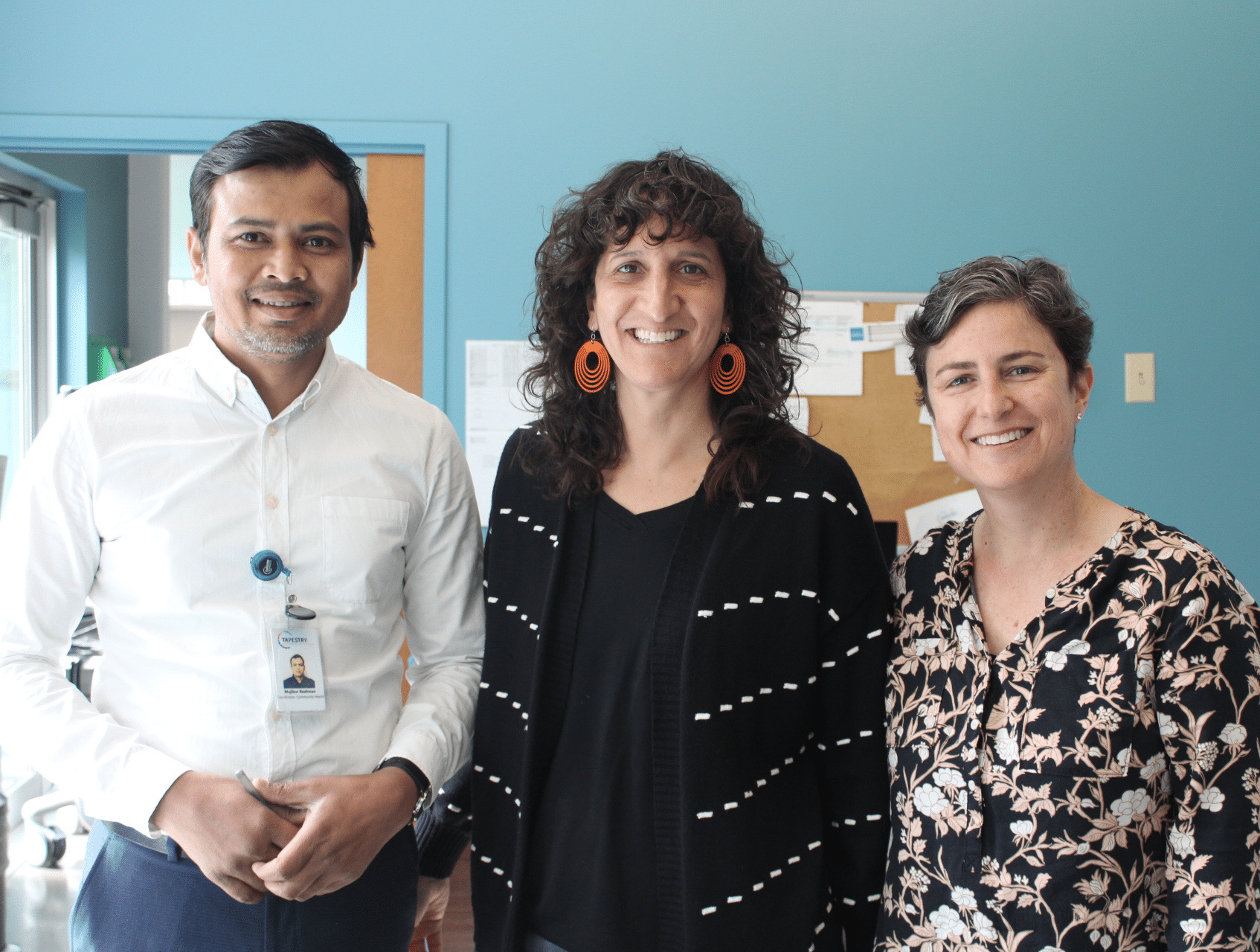
Team members like Emily Rivera — who originally worked within Tapestry’s school-based health programs before transitioning to support the Devon clinic — became instrumental in helping operationalize and strengthen the Refugee and Immigrant Health program.
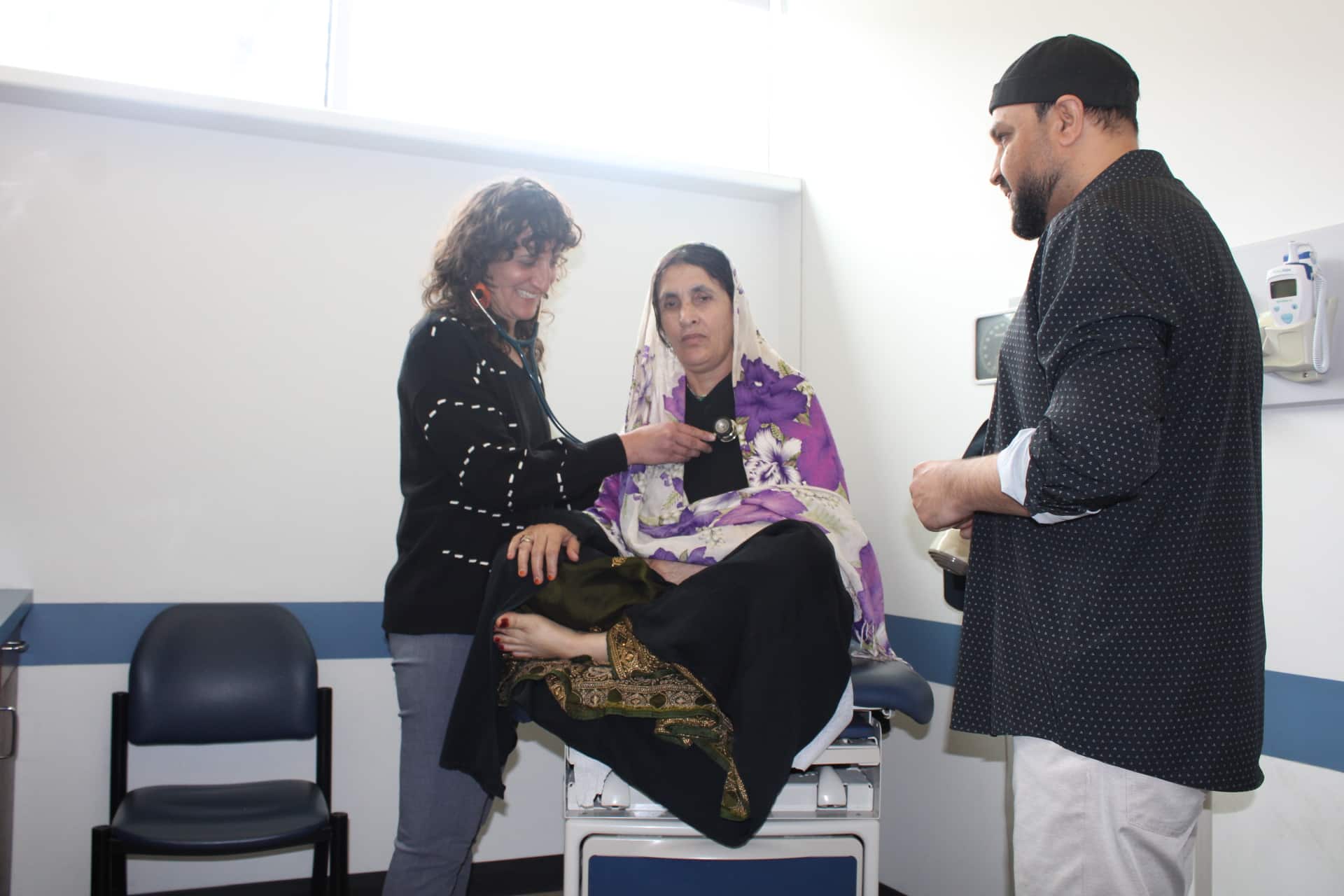
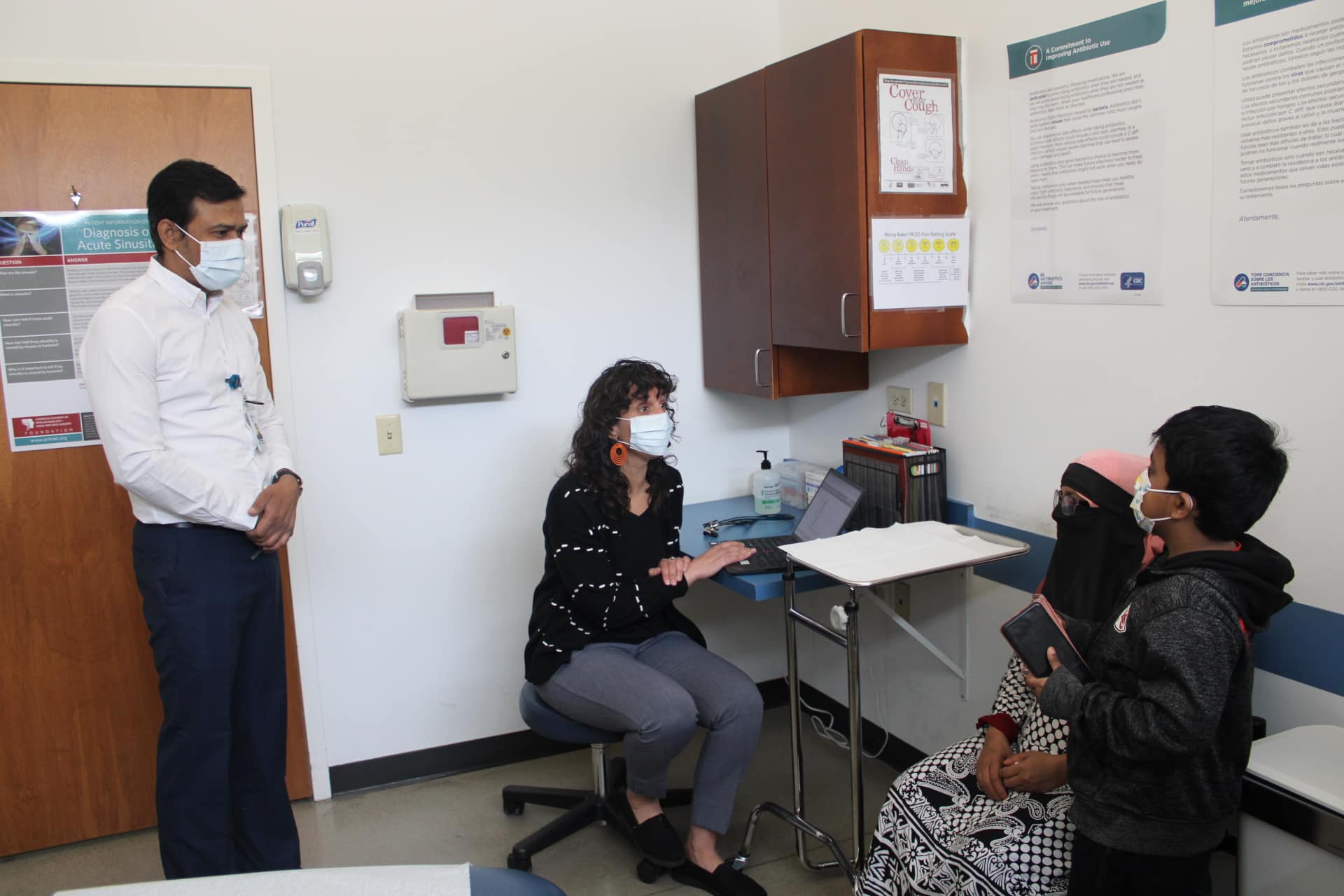
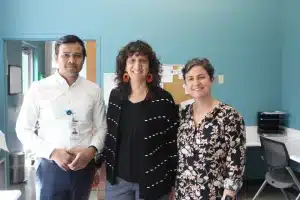 Jehan also helped bring on community health coordinators like Mujibur, who speaks several of the languages common among Tapestry’s refugee patient population and works directly alongside providers in exam rooms to help bridge language and cultural barriers during visits.
Together, the team became far more than a support system. They became advocates, interpreters, educators, navigators, and trusted community connections for patients learning how to navigate healthcare in a new country.
“I think every patient should have a community health coordinator,” Jehan shared during a recent interview. “The healthcare system is complicated, even for us.”
Understanding the Complexity of Care
Jehan often described refugee healthcare as deeply humbling work.
“I think refugees are some of the most vulnerable patients that come in through our doors,” she shared. “You really have to understand all the complexities of what they’ve been through in order to reach them.”
She explained that even something as simple as treating a headache becomes layered when caring for refugee populations. Patients may not understand how prescriptions work, where to pick up medications, or how to navigate follow-up care. Many are also balancing language barriers, trauma, housing instability, separation from family, and unfamiliarity with the American healthcare system.
Rather than simply treating illness, Jehan and her team worked to bridge those gaps with patience, cultural humility, and compassion.
That compassion left a lasting impression not only on patients, but on the colleagues who worked beside her every day.
Redefining What Patient-Centered Care Looks Like
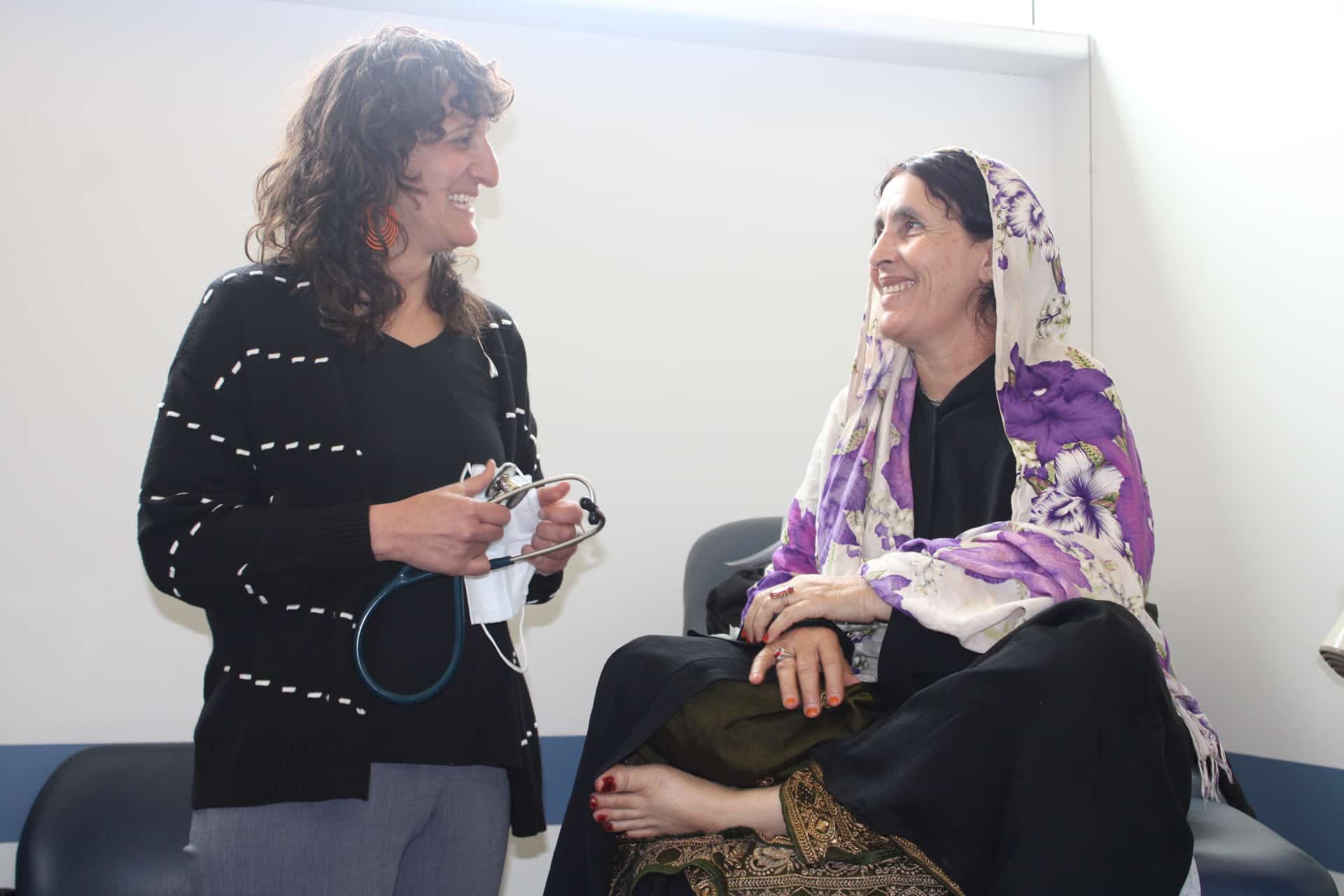
“Jehan has been one of the best providers for refugee populations,” shared Mujibur. “She always provided care with kindness and compassion. Jehan understands cultural values and treats patients appropriately with respect.”
Mujibur recalled the emotional reactions many patients had upon hearing of Jehan’s departure.
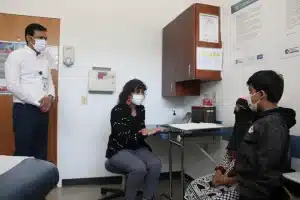
“One patient said, ‘You have always been the best and gave us the best healthcare possible. You will be missed and remain in our prayers.’ Another patient asked if she would still be practicing nearby because they wanted to continue seeing her for primary care.”
He also reflected on the experience of working alongside Jehan during patient visits.
“I spent most of my time helping Jehan in the consultation room, and she never felt overwhelmed seeing patients. I saw smiles on patients’ faces when they felt comfortable talking to a provider who always gave them time to listen, explain, and provide proper treatment. We are losing a truly exceptional leader, doctor, and person who lives in patients’ hearts.”
The impact of that work could be felt in every exam room.
Compassion Patients Can Feel
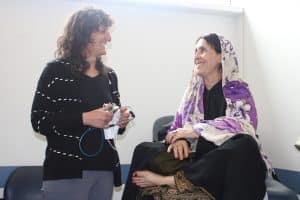 Ashabi Yashin, a Burmese-speaking patient, tearfully shared:
“She is the best and she always provides care with kindness. You will remain in my prayers.”
Another patient, Khalil A. Sayed Akbar, reflected:
“My family and I have always been happy to come see Jehan. She takes care of us like her family members.”
Jehan’s influence also extended beyond direct patient care.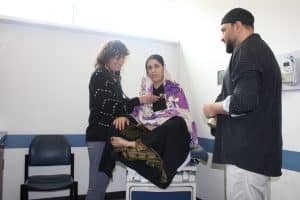
She helped champion interprofessional collaboration across the organization and strengthened partnerships with resettlement agencies, interpreters, behavioral health teams, and community organizations to ensure patients received comprehensive support. She also played a key role in transitioning Tapestry’s interpretation services from Stratus to Voyce — a change that improved accessibility while saving the organization nearly $100,000 annually.
Her leadership additionally shaped future healthcare providers.
Through partnerships with nurse practitioner students, Jehan integrated training opportunities into the Refugee Health Department, exposing students to populations and healthcare challenges they may never otherwise encounter. Students completed projects focused on cervical cancer screenings for Rohingya women, latent tuberculosis treatment systems, and culturally responsive tobacco-use screenings.
A Legacy That Will Continue
For Jehan, the work was always about building sustainable systems of care that could continue long into the future.
With a newly awarded Refugee Health Promotion grant supporting the next three years of programming, the department she helped build will continue serving refugee and immigrant families across Chicago.
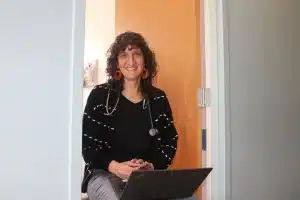
And while the program will continue growing, Jehan’s departure marks the end of an extraordinary chapter for Tapestry 360 Health.
Her legacy lives not only in the department she built, but in the culture she helped shape — one rooted in compassion, patience, cultural humility, and the belief that healthcare should meet people with dignity wherever they are.
Thank you, Jehan, for your vision, your leadership, and your unwavering compassion. Your impact will continue to be felt throughout Tapestry 360 Health and in the lives of the patients, families, students, and colleagues you inspired every day.


Related Posts





For many refugees and immigrants arriving in Chicago, healthcare is often one of the first and most overwhelming systems they must learn to navigate.
Imagine managing diabetes in a country where you don’t yet understand the language. Trying to refill medication while learning how insurance works for the first time. Searching for care while carrying the emotional weight of displacement, trauma, separation from family, and starting over in an unfamiliar place.
At Tapestry 360 Health, caring for refugee and immigrant patients has never simply meant providing medical treatment. It has meant building trust, bridging cultures, addressing barriers, and creating systems of care that recognize the full human experience behind every patient encounter.
Building a Different Kind of Healthcare Model
Over the past several years, Tapestry 360 Health has built a nationally significant Refugee and Immigrant Health program focused on providing culturally responsive, compassionate, and comprehensive care to some of Chicago’s most vulnerable communities. The program includes community health coordinators, interpretation services, refugee health screenings, care coordination support, and partnerships designed to help patients navigate every step of the healthcare journey.
Today, the program serves as a model for what patient-centered refugee healthcare can look like within a Federally Qualified Health Center.
The Vision Behind the Program
But none of this work would have been possible without the vision, leadership, and compassion of Jehan-Marie Adamji.
Jehan first joined Tapestry 360 Health in 2012 as a Family Nurse Practitioner at the Wilson clinic before returning in 2021 with expanded expertise in refugee health after working in Baltimore providing refugee screening services. What began as a passion for caring for refugee populations evolved into a transformative effort that reshaped how refugee and immigrant healthcare is delivered across the organization.
Creating Systems That Truly Support Patients
Through her leadership, Jehan secured more than $2 million in funding to support refugee and immigrant healthcare initiatives. Those funds allowed Tapestry to establish an entire department dedicated to refugee and immigrant care — including managers, nurses, community health coordinators, interpreters, and care coordination staff focused on helping patients navigate a complex healthcare system.
Under her leadership, the program created specialized workflows for refugee screening exams, expanded interpretation services, and introduced Civil Surgeon exams to meet growing community needs. The program also helped position Tapestry 360 Health as a trusted provider for newly arrived immigrant shelters throughout Chicago.
One of the most impactful parts of the program was Jehan’s commitment to building a team that reflected the patients being served.
She intentionally pushed to hire individuals who understood the lived experiences, cultures, and languages of refugee and immigrant communities. Through that vision, the department grew into a deeply collaborative and culturally responsive care model.
Building a Team That Reflected the Community
Team members like Emily Rivera — who originally worked within Tapestry’s school-based health programs before transitioning to support the Devon clinic — became instrumental in helping operationalize and strengthen the Refugee and Immigrant Health program.
Jehan also helped bring on community health coordinators like Mujibur, who speaks several of the languages common among Tapestry’s refugee patient population and works directly alongside providers in exam rooms to help bridge language and cultural barriers during visits.
Together, the team became far more than a support system. They became advocates, interpreters, educators, navigators, and trusted community connections for patients learning how to navigate healthcare in a new country.
“I think every patient should have a community health coordinator,” Jehan shared during a recent interview. “The healthcare system is complicated, even for us.”
Understanding the Complexity of Care
Jehan often described refugee healthcare as deeply humbling work.
“I think refugees are some of the most vulnerable patients that come in through our doors,” she shared. “You really have to understand all the complexities of what they’ve been through in order to reach them.”
She explained that even something as simple as treating a headache becomes layered when caring for refugee populations. Patients may not understand how prescriptions work, where to pick up medications, or how to navigate follow-up care. Many are also balancing language barriers, trauma, housing instability, separation from family, and unfamiliarity with the American healthcare system.
Rather than simply treating illness, Jehan and her team worked to bridge those gaps with patience, cultural humility, and compassion.
That compassion left a lasting impression not only on patients, but on the colleagues who worked beside her every day.
Redefining What Patient-Centered Care Looks Like
“Jehan has been one of the best providers for refugee populations,” shared Mujibur. “She always provided care with kindness and compassion. Jehan understands cultural values and treats patients appropriately with respect.”
Mujibur recalled the emotional reactions many patients had upon hearing of Jehan’s departure.
“One patient said, ‘You have always been the best and gave us the best healthcare possible. You will be missed and remain in our prayers.’ Another patient asked if she would still be practicing nearby because they wanted to continue seeing her for primary care.”
He also reflected on the experience of working alongside Jehan during patient visits.
“I spent most of my time helping Jehan in the consultation room, and she never felt overwhelmed seeing patients. I saw smiles on patients’ faces when they felt comfortable talking to a provider who always gave them time to listen, explain, and provide proper treatment. We are losing a truly exceptional leader, doctor, and person who lives in patients’ hearts.”
The impact of that work could be felt in every exam room.
Compassion Patients Can Feel
Ashabi Yashin, a Burmese-speaking patient, tearfully shared:
“She is the best and she always provides care with kindness. You will remain in my prayers.”
Another patient, Khalil A. Sayed Akbar, reflected:
“My family and I have always been happy to come see Jehan. She takes care of us like her family members.”
Jehan’s influence also extended beyond direct patient care.
She helped champion interprofessional collaboration across the organization and strengthened partnerships with resettlement agencies, interpreters, behavioral health teams, and community organizations to ensure patients received comprehensive support. She also played a key role in transitioning Tapestry’s interpretation services from Stratus to Voyce — a change that improved accessibility while saving the organization nearly $100,000 annually.
Her leadership additionally shaped future healthcare providers.
Through partnerships with nurse practitioner students, Jehan integrated training opportunities into the Refugee Health Department, exposing students to populations and healthcare challenges they may never otherwise encounter. Students completed projects focused on cervical cancer screenings for Rohingya women, latent tuberculosis treatment systems, and culturally responsive tobacco-use screenings.
A Legacy That Will Continue
For Jehan, the work was always about building sustainable systems of care that could continue long into the future.
With a newly awarded Refugee Health Promotion grant supporting the next three years of programming, the department she helped build will continue serving refugee and immigrant families across Chicago.
And while the program will continue growing, Jehan’s departure marks the end of an extraordinary chapter for Tapestry 360 Health.
Her legacy lives not only in the department she built, but in the culture she helped shape — one rooted in compassion, patience, cultural humility, and the belief that healthcare should meet people with dignity wherever they are.
Thank you, Jehan, for your vision, your leadership, and your unwavering compassion. Your impact will continue to be felt throughout Tapestry 360 Health and in the lives of the patients, families, students, and colleagues you inspired every day.